
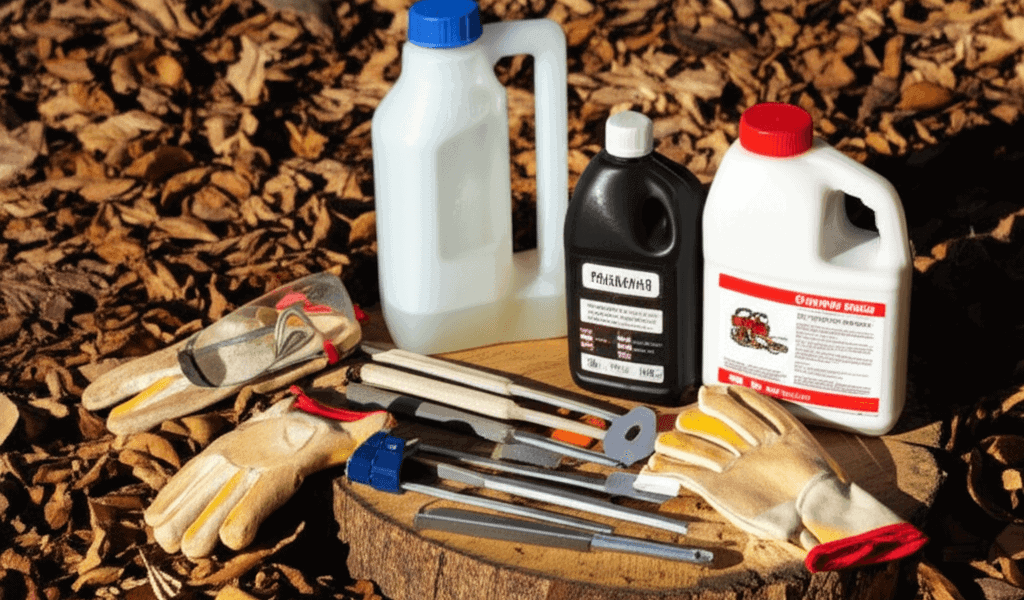

A 50cc chainsaw cuts through yard work and small wood projects like a breeze. That size packs enough punch to handle medium trees and split firewood without feeling like you’re wrestling a wild animal. It stays light and easy to carry solo. Keeping it running smooth and safe means using the right gear to tune it up, sharpen the blade, and wear protective equipment. These steps keep the chainsaw slicing clean and strong every time. People doing seasonal property chores or smaller timber jobs get the most from this advice to make work simple and effective. Keep reading, and discover tips that turn basic tools into mighty helpers that get the job done fast.
This article walks through the most useful tools that suit 50cc chainsaws and explains why each item matters. I will share practical examples of when to use each tool, how to match files and gauges to your chain, and a simple maintenance routine that keeps the saw running well. If you want to get the most life and performance from your saw without wasting time or money, read on.
Core hand tools every 50cc chainsaw owner needs
Start with a compact kit that covers the basics of adjustment, removal, and emergency checks. These are tools you will reach for before and after most cutting sessions.
- Scrench or combo wrench This tool combines a spark plug socket and bar nuts wrench. It lets you remove the bar and chain quickly for cleaning or chain replacement.
- Screwdrivers Both flat and Philips tip drivers are important for adjusting the carburetor idle and chain tension on models that use standard screws.
- Spark plug wrench A spare spark plug and a wrench let you test ignition and change plugs in the field.
- Combination pliers Useful for pinching fuel lines, bending small tabs, and grabbing stubborn pins.
- Small hammer and punch Needed for removing rivets when replacing or shortening a chain and for loosening stuck parts.
Sharpening equipment that fits common 50cc chain types
Keeping the chain sharp is the single best way to maintain cutting speed and reduce engine load. A dull chain increases fuel use, shortens engine life, and produces unsafe kickback behavior.
Choosing the right file size
Match the round file diameter to the pitch of your chain. Many 50cc saws use chain pitch sizes like 3/8″ or .325″. For example a chain with a .325 pitch commonly uses a 4.8 millimeter round file. A 3/8″ pitch might need a 5.2 millimeter file. Check chain markings or your user manual, then buy a 2 or 3 pack of the correct diameter files for field sharpening.
Using a file guide and depth gauge tool
A file guide helps you maintain a consistent cutting angle and depth across all teeth. The depth gauge tool resets the height of the rakers to the recommended setting so that the chain removes the correct amount of wood per cut. Together these two tools keep cutting even and reduce the chance of a tooth catching and causing kickback.
Power sharpening options for regular use
If you cut frequently, a bench or battery powered file grinder pays for itself by saving time and creating a consistent edge. Here are typical benefits and a usage tip.
- Bench grinder with guide Offers controlled grinding for a consistent angle and faster reconditioning of multiple chains. Use a light touch and remove minimal metal with each pass.
- Battery powered chain grinder Portable and fast. Good for roadside sharpening when you are far from a workshop.
- Sharpening stones Use for honing and removing burrs after filing or grinding.
Chain repair and replacement tools
Chains break or wear out. Being prepared keeps you cutting without long delays.
- Chain breaker and riveter A quality tool lets you remove and add links and rivet new links safely. Practice on an old chain so you can perform the job quickly when needed.
- Replacement chains on hand Keep a spare chain with the correct pitch and gauge for your bar. This avoids downtime when sharpening is not practical.
- Bar groove cleaner and bar file Remove packed sawdust and re-file the bar rails if they become rounded. A clean, square bar groove helps keep tension stable.
Small engine and fuel system tools that matter
50cc saws run on a two stroke mix in most cases. Small errors in the fuel and ignition systems create starting trouble and poor throttle response.
Carburetor adjustment and cleaning
A small carb spray cleaner and a set of thin screwdrivers let you clean jets and make basic idle and mixture adjustments. When the saw runs rough after long storage, a quick carb cleaning often brings it back to life.
Fuel handling tools
Use marked fuel containers and a measuring bottle for consistent fuel and oil ratios. A funnel with a built in filter keeps contaminants out of the tank. Also have spare fuel lines and a primer bulb on hand since those parts wear with age.
Torque and tension tools for safety and longevity
Correct torque on bar nuts and correct chain tension reduce wear and the risk of a chain coming off during a cut. These are simple steps with big returns.
- Torque limiting wrench A small torque wrench set to the manufacturer torque value avoids over tightening and damaged studs.
- Chain tension gauge or a simple rule Check tension after warming up the engine and after the first few cuts. The chain should move freely by hand and lift slightly away from the bar center with the engine off.
Safety gear that every 50cc user must have
Tools are only part of the picture. Safety gear protects you when a task goes wrong. These items are non negotiable for regular use.
- Helmet with face shield and earmuffs A full face shield prevents debris from hitting your eyes and a headset reduces hearing damage from repeated use.
- Chainsaw chaps or pants They use layers designed to stop a chain from cutting through to the leg.
- Cut resistant gloves and steel toed boots Gloves provide grip and protection. Boots add ankle support and protect from falling material.
Storage and workshop aids that extend equipment life
Simple storage items reduce corrosion and keep parts organized so maintenance gets done on time.
- Wall or bench mount for the saw Keep the saw off the ground and out of moisture when not in use.
- Labelled containers for spare parts Store spare chains, drive sprockets, spark plugs, and fuel filters in clear labeled boxes.
- Bar and chain oil with proper viscosity Using the correct oil for your climate helps lubricate the chain and prevents rapid wear.
How to choose the right extras for your model
Not every tool fits every 50cc saw. Some models use different chain pitch and gauge values and some place bar nuts under covers requiring specific spanners. Read the manual and compare it to the chain markings. If you want a ready made shopping starting point take a look at a focused list of tested options that suit common 50cc models and bar lengths
For example the length of bar you run changes the working chain length which changes how many spare chains to keep. A homeowner with a 16 inch bar needs fewer spare links than someone cutting with a 20 inch bar. Also if you plan to do a lot of felling and limb removal carry an extra chain and a battery powered sharpener. If most of your work is occasional trimming a manual file kit and a spare chain may be enough
If you need a quick reference that lists highly rated saws and typical accessory matches check this comparison of the top rated models and tool pairings at a dedicated guide to best 50cc chainsaws and accessories
Routine maintenance plan to keep the saw ready
Set up a simple schedule to avoid emergency repairs. A short regular routine provides big benefits.
- Before each use check chain tension, bar oil level, fuel level, and general condition of the chain.
- After each use remove sawdust from the bar groove and clean the air filter. Wipe off chain oil and excess debris.
- Every 10 operating hours sharpen or rotate the chain depending on condition. Replace the air filter as needed and check spark plug condition.
- At the start and end of each season run fuel out or add a fuel stabilizer, replace the spark plug if it is worn, and give the chain a careful inspection for stretch and wear.
Practical tips for field repairs include carrying a small pre packed tool roll with your scrench, one correct size round file, spare plug, and short length of chain. A zippered pouch keeps oily items away from dry gloves and emergency rags. Label your spare chains with the saw model and pitch to avoid confusion at the worksite.
Choosing the correct tools for a 50cc chainsaw is about matching the saw size and use pattern to a small kit that covers sharpening, basic engine maintenance, chain repair, and personal protection. A well chosen toolbox keeps costs down and reduces downtime. Take a moment to list your typical tasks and match one file diameter and a single power sharpening option if you cut frequently. Keep a basic carb cleaning kit and spare parts for the most likely failures so you can finish jobs without long waits for parts or service.
Ready to get started and build a compact maintenance kit for your saw Take stock of what you already own and add the items listed here in order of impact on performance First add the correct files and a scrench then a chain breaker and a quality helmet and chaps If you prefer shopping help then that link earlier points to a selection of tested saws and accessory matches You will find that a small investment in the right tools keeps your 50cc chainsaw cutting well and makes outdoor work safer and faster


